
Helping children with autism build social skills is one of the most important things we can do to support their growth, confidence, and relationships. These skills open the door to friendships, cooperation, self-expression, and a deeper connection with the world around them. Fortunately, with the right activities and consistent support, social learning can be enjoyable and natural.
Introduction: Why Social Skills Matter for Autism
Many children on the autism spectrum experience challenges with communication, turn-taking, interpreting body language, or adapting to group dynamics. Social skills activities help bridge this gap by offering structured, playful ways to practice interaction in a low-pressure setting. With guidance and repetition, children can begin to understand social norms and feel more at ease in conversations and group play.
Understanding Social Challenges in Autism
Autistic children may:
- Avoid eye contact
- Prefer solitary play
- Struggle with understanding facial expressions or tone of voice
- Find group dynamics overwhelming or confusing
These are not deficits, but differences. Social skills activities can help meet children where they are, teaching flexibility, empathy, and connection in a way that feels safe and engaging.
Top Social Skills Activities for Kids with Autism
Here are some practical and fun ways to support social development in autistic children:
Role-Playing Games to Practice Interaction
How to try it: Use simple scenarios like “asking to join a game,” “sharing toys,” or “greeting a friend.” Act them out with your child using puppets, action figures, or yourself. Then switch roles so they can practice both sides of the interaction.
Why it works: Role-play provides a predictable, repeatable way to model and rehearse real-life situations.
Group Play and Cooperative Tasks
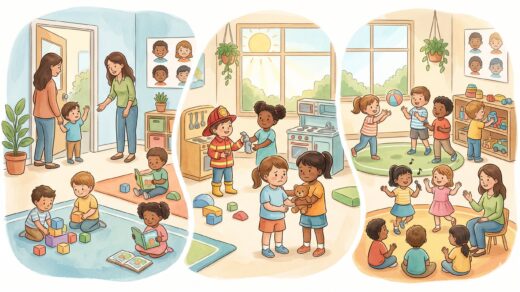
How to try it: Set up small group games that require cooperation—like building a tower together, taking turns in a board game, or creating a mural with friends. Use visual prompts to explain rules if needed.
Why it works: Cooperative play builds turn-taking, listening, and teamwork. These structured experiences help children ease into group settings.
Using Visual Supports and Social Stories
How to try it: Create visual step-by-step guides for social situations like “how to start a conversation” or “what to do when someone says hello.” Use tools like PECS or illustrated social stories tailored to your child’s experiences.
Why it works: Visuals make abstract social rules concrete and easier to understand, especially for visual learners.
Encouraging Communication Through Play
How to try it: Use interactive play to build communication. Toys that require two people (like walkie-talkies or pretend cooking sets) can prompt requests, questions, and conversations.
Why it works: Play provides a low-stress setting to naturally encourage expressive and receptive communication.
Outdoor Activities to Build Social Confidence
How to try it: Activities like treasure hunts, obstacle courses, or ball games in small groups can teach turn-taking and teamwork. Nature walks also offer chances to observe and discuss shared interests.
Why it works: Outdoor settings reduce pressure and overstimulation, while still offering opportunities to engage socially.
Tips for Parents and Caregivers
- Start small and build gradually
- Reinforce positive interactions with praise
- Use consistent routines and visuals
- Practice daily, even if briefly
- Be patient—progress takes time
Remember, your encouragement and support are just as important as the activities themselves.
Conclusion: Consistency is Key in Social Skills Development
Social growth takes time and repetition. With empathy, structure, and the right activities, children with autism can gain confidence in their ability to connect, collaborate, and communicate. Celebrate each small win and continue creating safe, engaging opportunities to practice social interaction every day.
For playful, guided support, WonderTree’s interactive games help children develop communication, motor, and social skills—right from the comfort of home.
FAQs
What are social skills activities for autism?
They are structured or play-based exercises that teach communication, cooperation, turn-taking, and relationship-building.
Why are social skills important for autistic children?
They help children connect with peers, express needs, manage emotions, and navigate daily life more confidently.
How can role-playing help with social skills?
Role-playing lets children safely rehearse real-life situations, making them feel more prepared and confident in social settings.
What activities improve communication in autism?
Interactive play, visual supports, and storytelling can all help boost communication skills by creating predictable, engaging dialogue.
Can group play benefit autistic kids?
Yes. Structured group activities support turn-taking, collaboration, and comfort with peer interaction.
How do visual supports aid social learning?
They break down complex social rules into clear, visual steps—ideal for children who learn best through images.
What outdoor activities help build social skills?
Treasure hunts, ball games, and nature walks allow children to practice interaction in less overwhelming environments.
How often should social skills activities be done?
Short, daily practice is most effective. Repetition and consistency help build comfort and fluency over time.
Can social skills activities reduce anxiety?
Yes. Predictable, low-pressure social learning can reduce fear and help children feel more in control.
How can parents support social development at home?
Through daily routines, visual cues, praise, and opportunities to practice in safe, supported settings like playtime or family outings.